Wearables & Gadgets
Apple Home Hub: What Apple Has Confirmed About HomeView
Quick answer
Yes. Apple announced its home hub on Oct. 13, 2026 as HomeView, a 7-inch smart display that costs $299 and goes on sale Nov. 13 in eight countries, not including the EU. Its new Siri AI is in beta, and the personal features need a paired Apple Intelligence iPhone or iPad. Everything below is Apple's own description, not independent testing.
On this page
For years, Apple's smart home hub was a product that existed mostly in rumors. The nickname was "HomePad," the dates kept moving, and each report blamed Siri. On Oct. 13, 2026, Apple ended the guessing and put a name, a price and a ship date on it.
This guide separates what Apple has said from what was only reported. Every fact about HomeView below comes from Apple's own newsroom release and product pages, read on Oct. 27, 2026. Reports from the press are labeled as reports.
Has Apple really announced a home hub?
Yes. Apple calls it HomeView. The company's release describes it as "a new way to enjoy entertainment, stay connected, and manage the home," and Greg Joswiak, Apple's senior vice president of Worldwide Marketing, said it is "designed to be shared by everyone in the home yet feel completely personal to each user."
| Feature | What Apple says |
|---|---|
| Price | $299 in the U.S., for the tabletop and the wall-mounted model |
| On sale | Nov. 13, 2026 (pre-orders opened Oct. 13) |
| Display | 7-inch Liquid Retina with True Tone, brightness from 0.3 to 500 nits |
| Camera and microphones | 12 MP Center Stage camera and four beamforming microphones |
| Colors | Tabletop: silver, starlight, rose pink, space gray. Wall-mounted: space gray or silver |
| Power | "Wired power required"; USB-C cable and adapter included |
| People | Recognizes up to six people by face, each with a personal Home Screen |
What Apple says about HomeView. Source: Apple Newsroom release of Oct. 13, 2026 and apple.com/homeview, read Oct. 27, 2026.
What does HomeView actually do?
It is a screen for the home. Apple's product page calls it "a central hub for your smart home accessories." You can use it to control lights, locks, thermostats and blinds by touch or voice, and its Home Camera face can show up to nine live camera feeds at once. It also takes FaceTime calls with Center Stage, plays music with room-filling Spatial Audio, and sends household messages with Intercom.
Apple stresses the kitchen. HomeView can turn a web recipe into step-by-step instructions with hands-free timers. Its display "faces" include Photos, Flow, Snoopy, a smart home control face and the camera wall.
On privacy, Apple says the camera and microphone data is handled in a separate area called Secure Exclaves that, in Apple's words, neither the software, the user nor Apple can access. Apple also says Siri requests run on the device or on its Private Cloud Compute servers, which do not store the data. These are Apple's claims about how the device is built.
What do you need to use it?
An iPhone or iPad, and for the headline Siri features, a recent one. Apple's page says HomeView "requires a compatible iPhone or iPad running the latest software." Personal context from Messages, Calendar and Apple Music needs a paired Apple Intelligence iPhone or iPad with Siri AI turned on, on the same Wi-Fi network. Without one, Apple says you still get "broad world knowledge," conversation and better music discovery.
Three limits are worth knowing before you order:
- Siri AI is in beta. Apple labels it beta in HomeView software 27.2. It starts in English only, and some features run on servers with daily usage limits. Apple says wider access will cost a fee in the future.
- Not in the EU. Apple says Siri AI is unavailable in iOS in the EU and that it is working with the EU on a way forward. HomeView goes on sale in the U.S., Australia, Canada, India, New Zealand, the U.K., Singapore and South Africa.
- It needs a wall socket. HomeView is not battery powered, so it stays where you plug it in.
Can a HomePod or Apple TV already be a home hub?
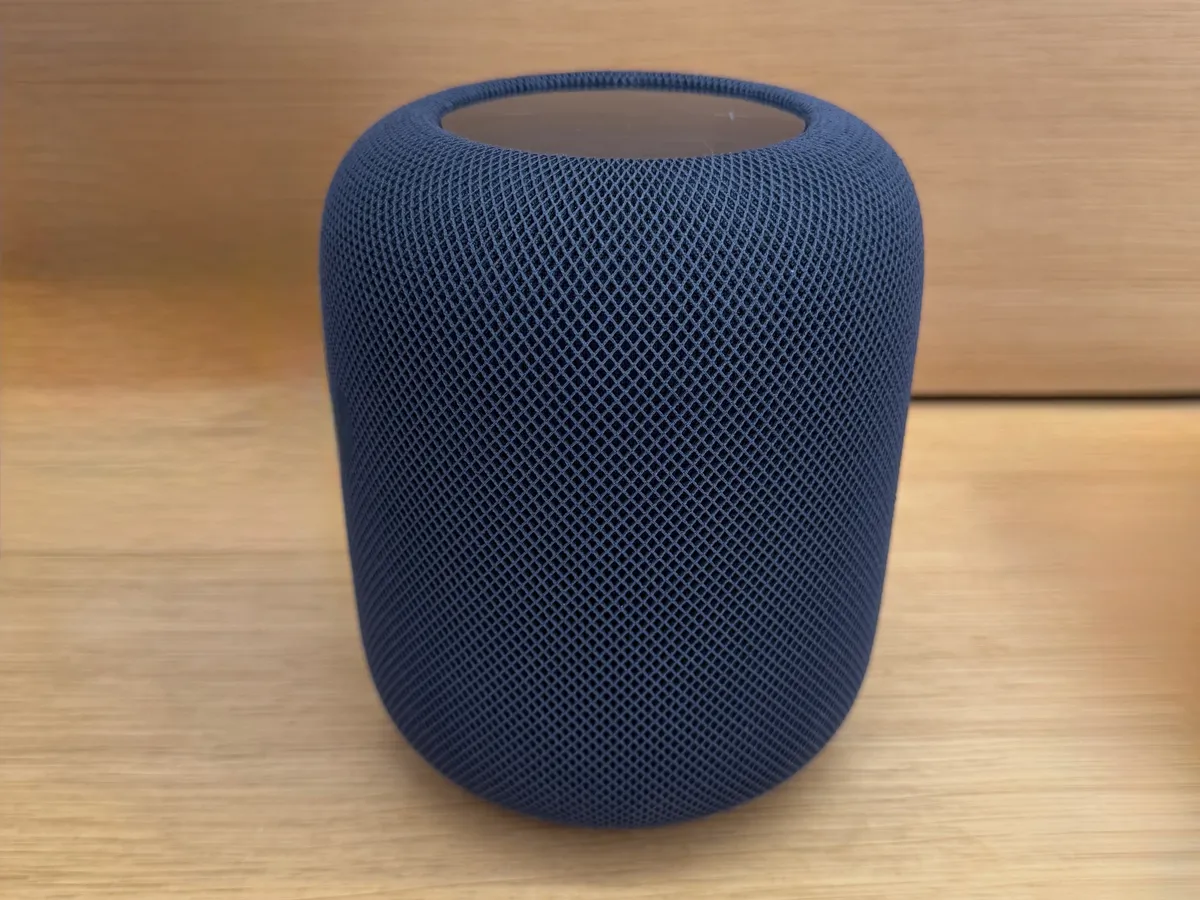
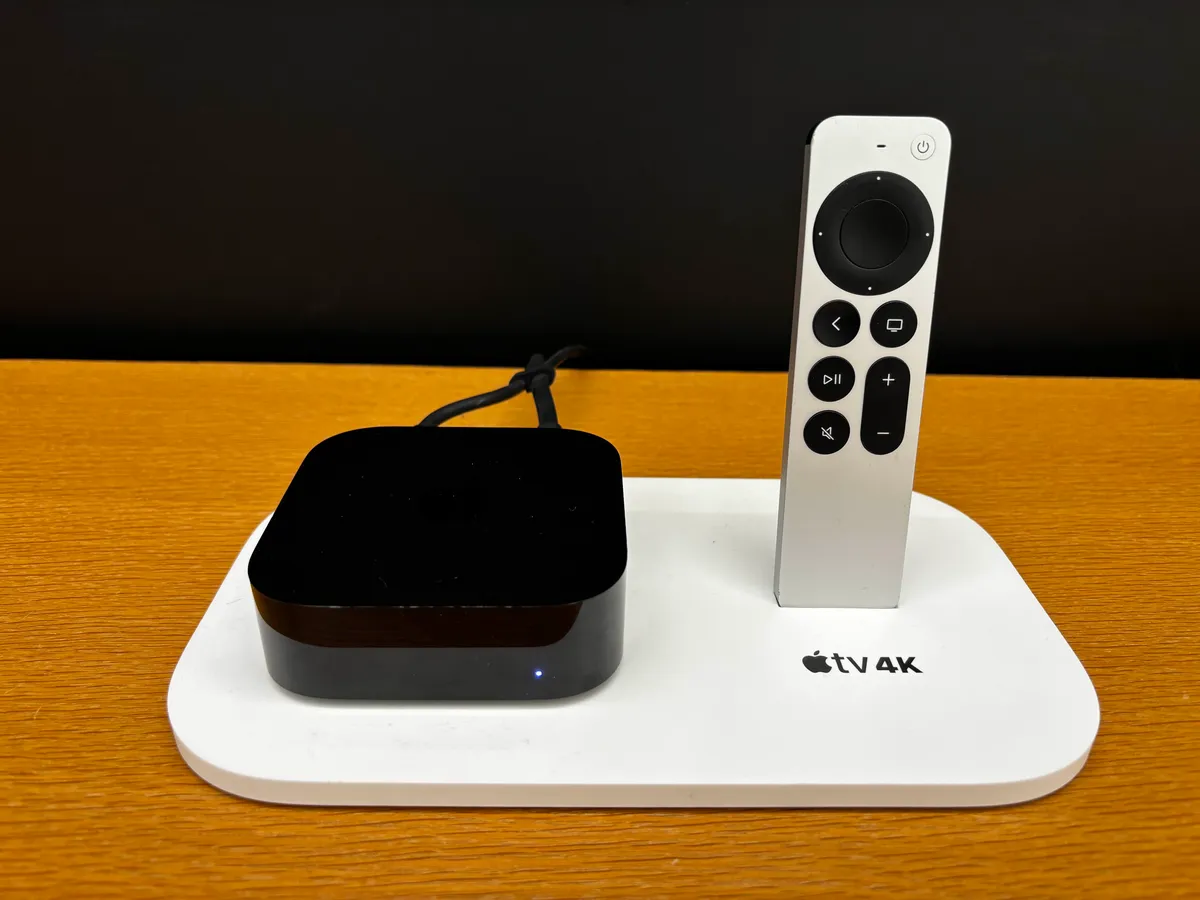
Yes, and that is the part that does not change. Apple's support page on home hubs says a hub lets you "control your smart home accessories while you're away from home," share control with others and "automate your accessories to do what you want, when you want." A HomePod or HomePod mini becomes a hub automatically when you set it up, and an Apple TV becomes one once you add it to a room in the Home app. You also need a hub to add Matter accessories to the Home app.
So the new part of HomeView is the screen, the camera and the new Siri, not the hub function. If you already own a HomePod or an Apple TV and only want remote control and automations, you may not need to buy a new device. The press release and the product page we read do not say whether HomeView itself supports Thread, the radio some smart home accessories use, and its only Matter mention is for accessories.
What else did Apple announce for the smart home?
A line of accessories called Apple Home Collection: smart cameras, thermostats and a lock, which Apple says it designed with LG Electronics and Schneider Electric. They start arriving in December 2026, with some in early 2027. Some of their features need a compatible hub such as HomeView, HomePod or Apple TV.
Apple also announced wall mounts for the wall-mounted HomeView from Schneider Home, priced from $59.95 to $129.95 and shipping in early 2027. If you are weighing cameras and locks for a house, The Cost of Home breaks down what a home security system costs before you commit to any one ecosystem.
What was rumored, and what is still only a rumor?
The timeline came from reports, not from Apple. In March 2025, Bloomberg's Mark Gurman wrote, as quoted by 9to5Mac, that "at one point, the company had hoped to announce this product in March," but that because the device "relies on the delayed Siri capabilities, it has been postponed as well." In March 2026, Macworld reported that Gurman now expected a fall launch, tied to a newer version of Apple's software, and blamed the delay "entirely" on Siri, with hardware that had "been ready for some time." Those sources were anonymous, and Apple never confirmed either timeline.
The fall launch turned out to be right. The name did not: reports said "HomePad," and Apple chose HomeView.
One report is still just a rumor. TechCrunch notes that Gurman reported in 2024 that Apple was developing a more advanced tabletop device with a robotic arm. Apple has not announced it, and nothing in the HomeView release mentions one. Treat it as a possible future product, not a plan. For the method behind this kind of check, see our guide to spotting a fake gadget video, and our look at which home robots you can really buy.
What does Apple not say yet?
Quite a lot. The product page we read lists no weight or dimensions, and Apple's release gives no amount for the future Siri fee or says which features will sit behind it. How well the face recognition and the new Siri work in a busy kitchen is something only real use will show. And as with any gadget that is not on sale yet, the first independent tests will tell you more than the launch page. If you like to compare a new category with another early one, our guide to smart glasses in 2026 follows the same logic: what it does, what it needs and what it costs.
Frequently asked questions
What is the Apple home hub called?
Apple named it HomeView. Press reports before the announcement used the nickname "HomePad," which Apple did not use.
How much does Apple HomeView cost?
Apple lists $299 in the U.S. for both the tabletop and the wall-mounted model. Wall mounts from Schneider Home are sold separately, from $59.95 to $129.95, and ship in early 2027.
When can you buy HomeView?
Pre-orders opened Oct. 13, 2026, and both models go on sale Nov. 13, 2026 in the U.S., Australia, Canada, India, New Zealand, the U.K., Singapore and South Africa. In South Africa, pre-orders go through Apple Authorized Resellers.
Is HomeView available in the EU?
No. Apple says Siri AI is currently unavailable in iOS in the EU and that it is working with the EU on a path forward, so HomeView is not on sale there.
Do you need an iPhone to use HomeView?
Apple says it requires a compatible iPhone or iPad running the latest software. Personal features like Messages and Calendar need a paired Apple Intelligence iPhone or iPad. Without one, Apple says you still get general knowledge answers, conversation and music discovery.
Is the new Siri on HomeView finished?
Not yet, according to Apple. It labels Siri AI as beta in HomeView software 27.2, available in English to start, with daily limits on some server-side features and a fee planned for wider access later.
Can a HomePod or Apple TV already work as a home hub?
Yes. Apple Support says a HomePod or HomePod mini becomes a home hub automatically when you set it up, and an Apple TV becomes one once you add it to a room in the Home app. A hub lets you control accessories away from home and run automations.
Is the Apple robot with a moving arm real?
It is a rumor. TechCrunch notes Bloomberg's Mark Gurman reported in 2024 that Apple was developing a more advanced tabletop device with a robotic arm. Apple has not announced it.
Sources
- Apple Newsroom: Meet Apple HomeView, a new way to enjoy entertainment, stay connected, and manage the home (Oct. 13, 2026), read Oct. 27, 2026
- Apple: HomeView product page (no date on the page), read Oct. 27, 2026
- Apple: TV & Home (no date on the page), read Oct. 27, 2026
- Apple Support: Set up your HomePod, HomePod mini, or Apple TV as a home hub (published Sept. 15, 2025), read Oct. 27, 2026
- MacRumors: Apple announces HomeView smart home hub (Oct. 13, 2026), read Oct. 27, 2026
- TechCrunch, Lauren Forristal: Apple makes another push into the smart home market with HomeView (Oct. 13, 2026), read Oct. 27, 2026
- 9to5Mac, Michael Burkhardt: Apple smart home hub postponed, citing Bloomberg's Mark Gurman (Mar. 9, 2025), read Oct. 27, 2026
- Macworld, David Price: HomePad reportedly delayed again (Mar. 10, 2026), read Oct. 27, 2026

Founder and editor, Novaverum
I write Novaverum to separate the technology you can really buy from the demos, concepts and viral fakes, starting from what the companies, regulators and engineers publish. Every article lists its sources at the end.