Future Transport
eFoils Explained: How Electric Hydrofoil Boards Work and Cost
Quick answer
An eFoil is a surfboard with an electric motor on a mast and a wing under the water: once you pick up speed, the wing lifts the board above the surface. You can buy one today. Lift Foils lists boards from $10,999 to $14,999, and Fliteboard starts at $8,999 for its inflatable AIR. Makers claim roughly 45 to 90 minutes per charge on most setups, and both stress helmets and impact vests.
On this page
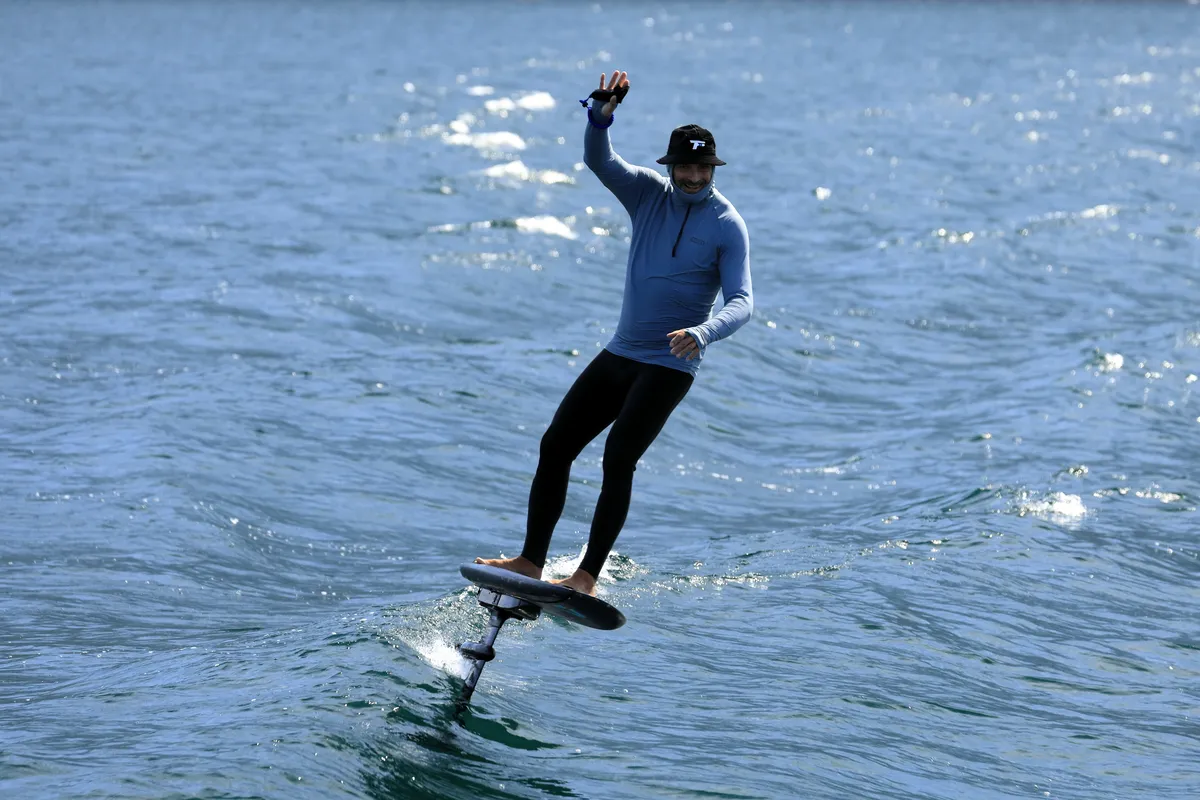
Watch an eFoil rider and the board seems to hover over the water on nothing visible. It is a real product that ordinary people can buy, so this guide covers how it works, what it costs, and what the two best-known makers say about battery life, speed, learning and safety. Prices and specs are from their own pages, read on November 1, 2026.
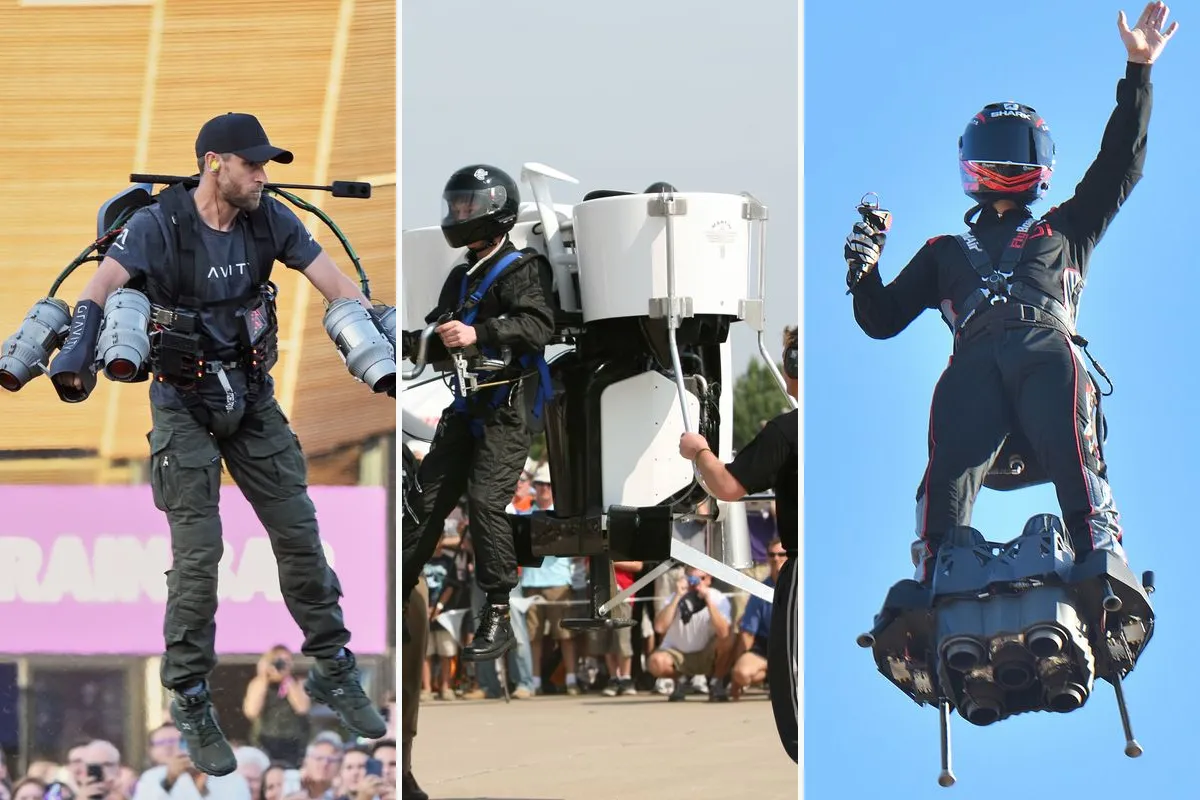
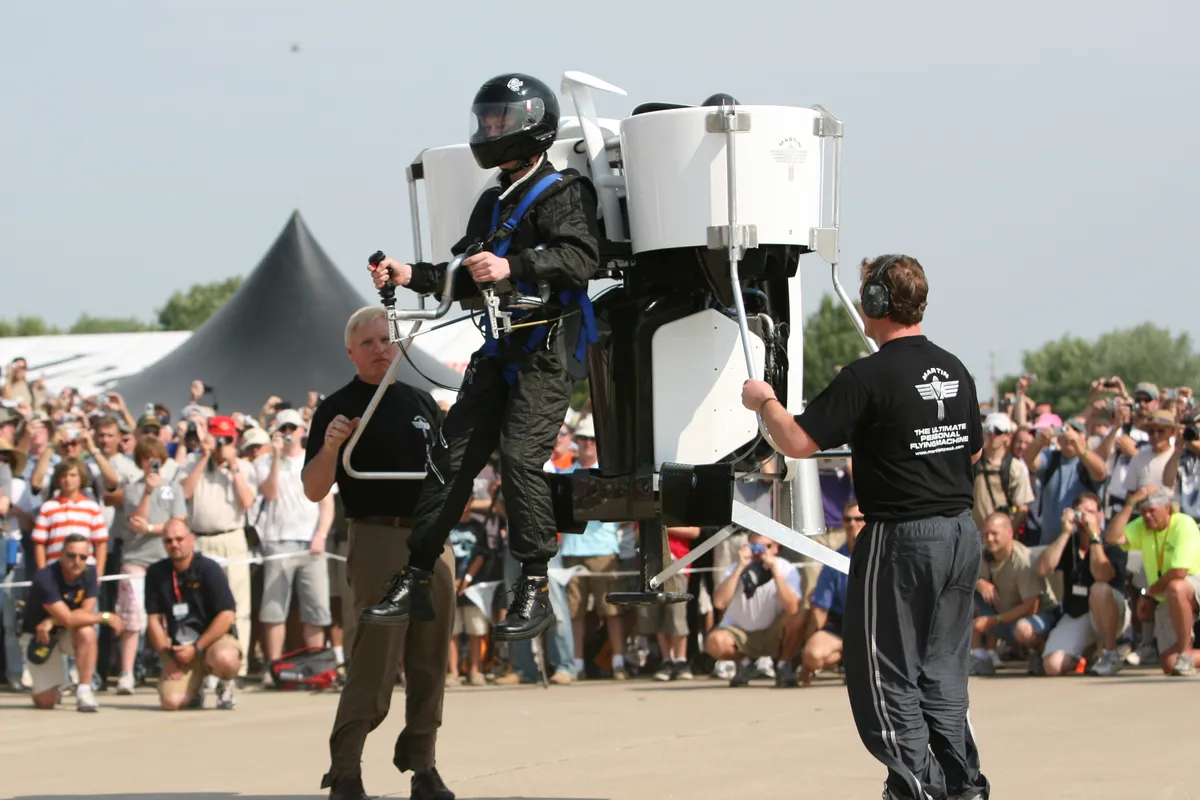
It is a gentler cousin of the jet suit: the lift comes from a wing in the water instead of jets in the air.
How does an eFoil work?
An eFoil has three parts. On top is a board you stand on. Underneath is a mast, a metal strut that goes down into the water, with a wing at its bottom end. A battery powers a motor on the mast that turns a propeller or a water jet. You control the power with a wireless hand trigger.
Lift Foils explains the lift like this: as the eFoil gains speed, the wing generates lift and raises the board above the surface, "the same mechanics that keep a plane in the air, just underwater." Fliteboard puts a number on it: you need to be travelling at around 20 km/h before the board hydrofoils.
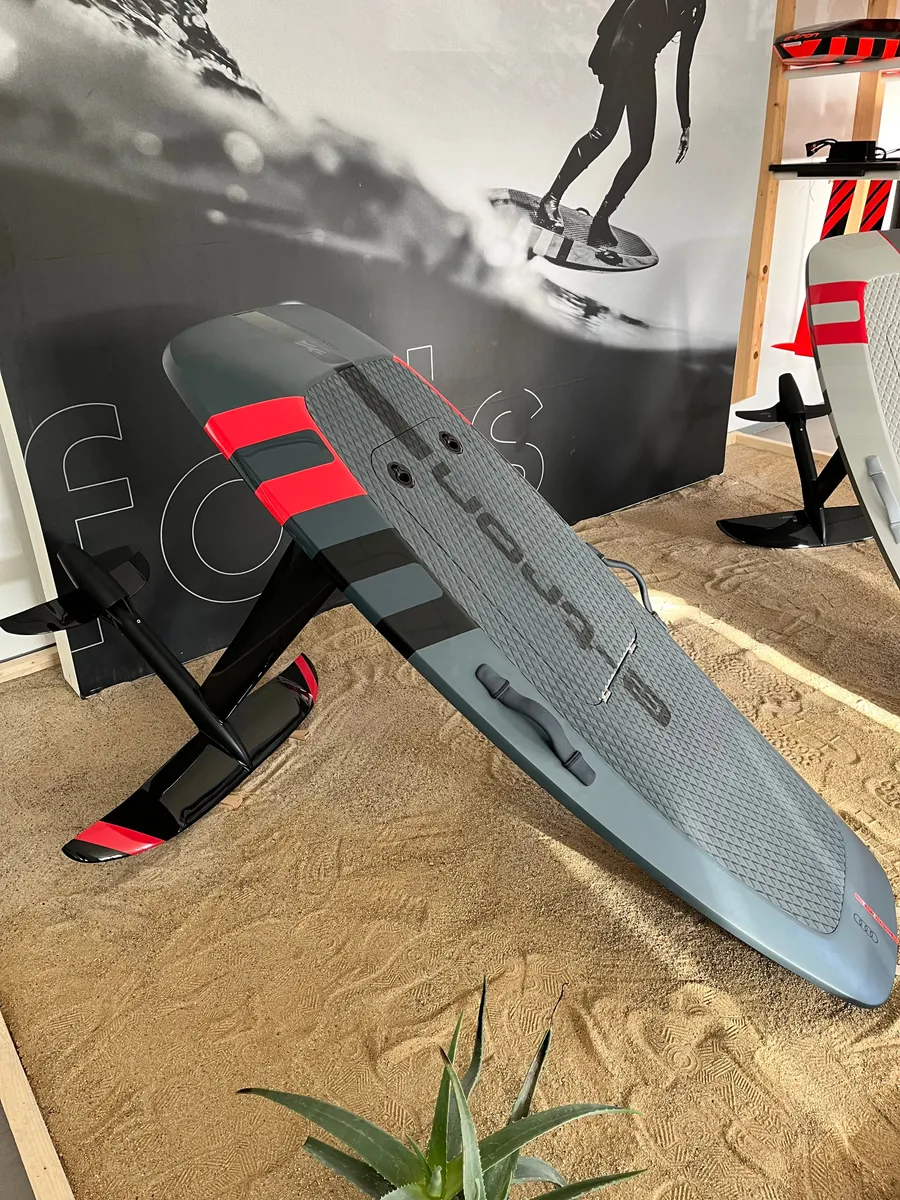
The motor is what separates an eFoil from a plain hydrofoil. Fliteboard says a hydrofoil relies on wind and waves, while an eFoil lets you ride on flat water without pumping.
How much does an eFoil cost?
The makers I read start at $8,999 and go past $14,000 for a complete setup. Lift Foils lists three boards with an MSRP: $10,999 for the fiberglass LIFT5 F, $13,999 for the lighter LIFTX and $14,999 for the carbon-fiber LIFT5. Fliteboard lists prices as "from" figures: $8,999 for the inflatable AIR, $10,999 for the PRO and $11,999 for the Flitescooter, a wider board with removable handlebars.
| Model | Price | Run time | Setup weight |
|---|---|---|---|
| Lift LIFT5 F | $10,999 MSRP | Up to 90 min (the card says 75) | 30.8 to 32.2 kg |
| Lift LIFTX | $13,999 MSRP | Up to 45 min | 20.0 to 21.5 kg |
| Lift LIFT5 | $14,999 MSRP | Up to 90 min | 28.6 to 32.0 kg |
| Fliteboard AIR | From $8,999 | 45 min to over 2 hours, by battery | 24 to 26 kg with the smallest battery |
| Fliteboard PRO | From $10,999 | 45 min to over 2 hours, by battery | 24 kg with the smallest battery |
| Fliteboard Flitescooter | From $11,999 | 45 min to over 2 hours, by battery | 38 kg |
Prices in U.S. dollars as listed on each maker's own pages on Nov. 1, 2026. Run times are the makers' maximums.
Two details change what you pay. Fliteboard's FAQ says orders outside the U.S. and Canada can be delivered to a U.S. freight forwarder that you arrange, and that customs duties and taxes are yours. Lift says it ships to most major markets and has riders in more than 40 countries, so I would check the shipping terms for your country before you order either.
How long does the battery last, and how fast does it go?
Lift lists up to 90 minutes for the LIFT5, which has a 2.2 kWh battery, and up to 45 minutes for the LIFTX, which has a 1.0 kWh battery. Its own page adds that new riders typically see less, because learning means more stops, starts and falls.
Fliteboard sells the battery as a separate choice, called a Flitecell. The Nano gives up to 45 minutes of foil time. The Sport lasts about 1 hour 10 minutes at an average foiling speed of 25 km/h. The Explore gives more than 2 hours, but riding hard or restarting a lot can drain it in under 1 hour. Top speed is up to 34 mph or 55 km/h, which Fliteboard lists for its RACE model.
These are company figures. Boat & Sail Magazine, which says it tests eFoils side by side, lists 120 minutes for the LIFT5 in its roundup, against Lift's own "up to 90." For planning a day on the water, I would use the maker's lower number.
The controller helps. Fliteboard says its controller warns you at 50% and 10% battery, and that when the charge runs low the system cuts power so you can motor slowly back but not foil. Its advice is blunt: don't ride out further than you are willing to swim back.
Is an eFoil hard to learn?
The makers say no. Fliteboard says most people can learn in less than an hour, even without board-sports experience. Lift says most people expect it to take weeks and that it doesn't: start in calm water, begin on your knees with the throttle low, and most riders are flying within the first session.
That is marketing, so weigh it as marketing. Lift's own FAQ is more careful about the lightest model: a beginner can start on the LIFTX but "should look to instruction," and it points new riders to the LIFT5 F instead. Fliteboard markets its Flitescooter, which has removable handlebars for balance, to complete beginners.
Both makers push you toward a demo first. Lift runs a "Fly Before You Buy" program with more than 300 demo locations in 40+ countries, and says many apply the demo cost toward a purchase. Fliteboard points to its Fliteschools and says it has 330+ dealers. At these prices, trying one before you buy is the step I would not skip.
Is an eFoil safe, and do you need a license?
Both makers say to wear a helmet and an impact vest or approved flotation device. Lift says the board floats and the propulsion system stops automatically when you fall. Fliteboard is direct about the risks: expect to crash while learning, there is potential to hit the board, wing or mast in a fall, and part of learning is falling away from the board.
It also lists limits. Fliteboard says never to ride in the breaking surf zone or near swimmers and surfers, does not recommend its boards for children under 16, and sets a 120 kg rider-weight limit for its warranty on most setups. Lift lists maximum rider weights from 79 to 113 kg, depending on the board.
The license question has no single answer. Fliteboard says the rules vary by state and country, and gives Australia as an example: exempt from registration in some states, registered as a vessel in others. Check your local rules for age and registration before you buy.
Are there cheaper eFoils?
Yes, but I read only the pages of these two makers, so I can't compare other brands. Boat & Sail Magazine's guide, updated in March 2026, lists boards from other brands starting around $5,500, and its price list, which dates from fall 2024, shows two brands near $6,300 to $6,400. The magazine says those prices change, and it earns affiliate commissions, so treat them as a rough range and check each maker's current page.
Is an eFoil real or a viral trick?
Real. Both companies sell through their own stores and dealers, publish prices and specs, and offer a warranty: one year from Lift, two years from Fliteboard. Lift says it launched the first commercial eFoil, the LIFT1, in 2018. That is the opposite of the vaporware I describe in my guide to spotting a fake gadget video.
For other ways to move over water or through the air, see my guides to the jetpacks you can actually buy, underwater jetpacks and sea scooters and real hoverboards, or browse all Future Transport articles.
Who is an eFoil for?
It suits someone with regular access to calm water, a five-figure budget and a way to move 20 to 38 kg of gear to the shore. If you want to try it once, a lesson or demo costs far less than a board. If you want to own one, the makers' numbers say plan for $9,000 to $15,000, a battery that gives roughly 45 minutes to two hours, and a helmet and vest on every ride.
Frequently asked questions
How does an eFoil work?
A battery powers a motor on a mast under the board. As you gain speed, a wing at the bottom of the mast creates lift and raises the board above the water. Fliteboard says you need to reach about 20 km/h to lift off.
How much does an eFoil cost?
On the makers' own pages, Fliteboard starts at $8,999 for the AIR, and Lift lists $10,999 for the LIFT5 F, $13,999 for the LIFTX and $14,999 for the LIFT5. Other brands may cost less.
How long does an eFoil battery last?
Lift lists up to 90 minutes for the LIFT5 and up to 45 for the LIFTX. Fliteboard lists up to 45 minutes on its Nano battery, about 1 hour 10 on the Sport and more than 2 hours on the Explore. New riders get less.
How fast does an eFoil go?
Fliteboard says up to 34 mph or 55 km/h, which it lists for its RACE model. Top speed depends on weight, wing, propulsion and rider ability. A board needs about 20 km/h just to lift off.
Is an eFoil hard to learn?
Fliteboard says most people learn in less than an hour, and Lift says most riders are flying in their first session. Both are company claims. Lift also says to look to instruction on its lightest model.
Do you need a license to ride an eFoil?
It depends on where you ride. Fliteboard says rules vary by state and country and gives Australia as an example, where some states exempt it from registration and others register it as a vessel.
Is an eFoil dangerous?
Both makers say to wear a helmet and a flotation or impact vest, and Fliteboard says to expect falls while learning and never to ride in breaking surf or near swimmers. Lift says the motor stops automatically when you fall.
Sources
- Lift Foils: eFoil lineup (prices, specs, FAQ), read Nov. 1, 2026
- Lift Foils: home page FAQ (how it works, battery, first ride), read Nov. 1, 2026
- Fliteboard: AIR (price, weight), read Nov. 1, 2026
- Fliteboard: ICON, PRO and Flitescooter (prices, weight), read Nov. 1, 2026
- Fliteboard: FAQ (speed, batteries, safety, regulations, shipping), read Nov. 1, 2026
- Boat & Sail Magazine: Best eFoil Boards (updated March 2026), read Nov. 1, 2026

Founder and editor, Novaverum
I write Novaverum to separate the technology you can really buy from the demos, concepts and viral fakes, starting from what the companies, regulators and engineers publish. Every article lists its sources at the end.