Reality Check
Can a Car Run on Water? Why the Videos Are Wrong
Quick answer
No. Water is what remains after hydrogen has burned, so splitting it back into fuel takes at least as much energy as you get out. A car that carries water and a splitter on board spends more energy running the splitter than it returns. The cars that really emit only water carry hydrogen made elsewhere, and EPA says it does not approve any gas-saving device.
On this page
- Can a car really run on water?
- Why can't splitting water ever pay for itself?
- What about the "water kits" sold online?
- Why do the videos look so convincing?
- Has a "water-fuel" car ever been tested in court?
- Then how does a hydrogen car emit only water?
- What really lowers your fuel bill?
- How can you check a "water-powered" claim in two minutes?
- FAQ
- Sources
The video starts under the hood. A small jar is wired to the battery, bubbles rise in it, a hose runs to the engine, and the voice-over says the car now runs on water, or at least burns far less gas. The bubbles are real. The engine is really running. The conclusion is the part that does not hold up.
This article follows the checks from our guide to spotting a fake gadget video and applies them to one of the oldest claims on the internet. Every number below comes from an official source listed at the end.
Can a car really run on water?
No. Water is not a fuel. It is what is left after hydrogen has already burned, the same way ash is what is left after wood burns. To get energy out of water, something has to put energy in first.
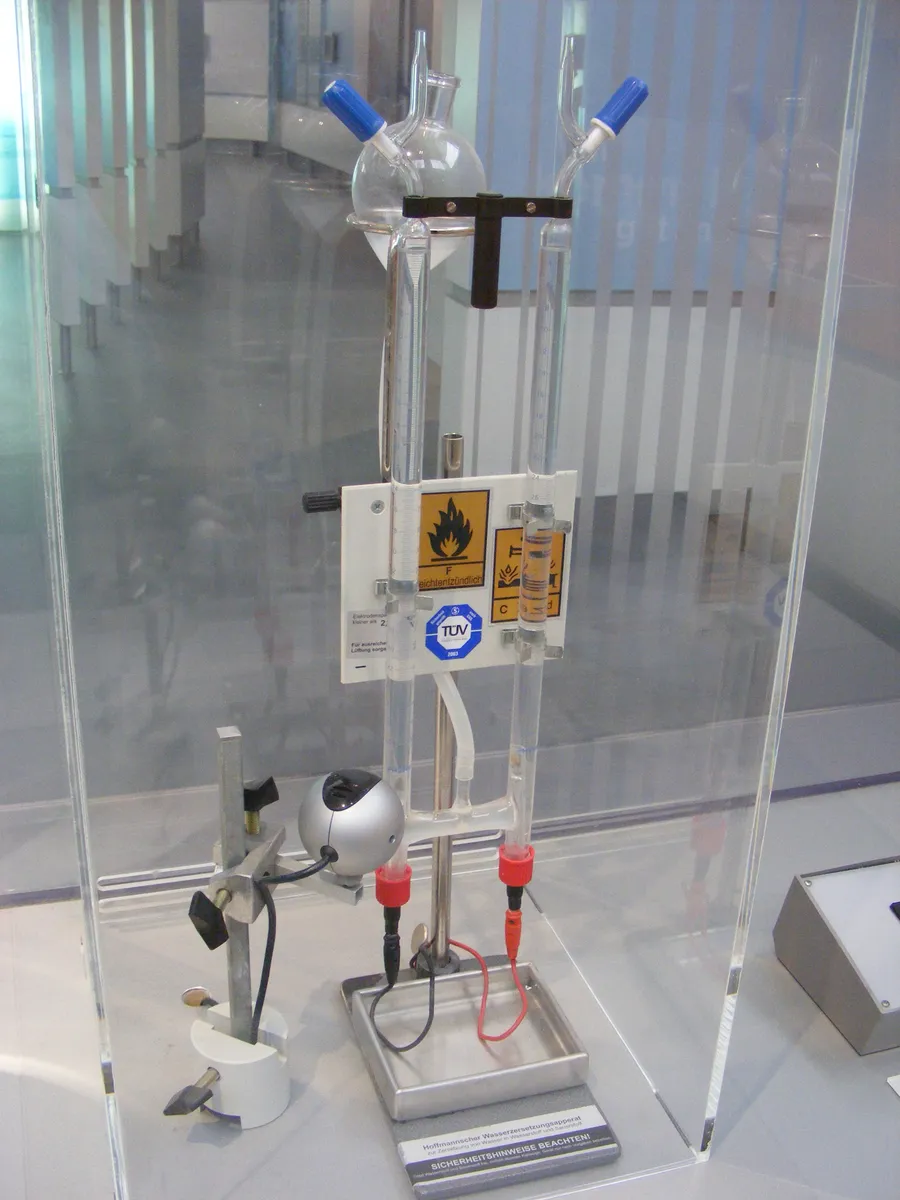
The U.S. Department of Energy describes how that is done: "Electrolysis is the process of using electricity to split water into hydrogen and oxygen." Electricity goes in, hydrogen comes out. The hydrogen carries the energy, and the energy came from the electricity, not from the water.
| What the video shows | What is really going on |
|---|---|
| Bubbles in a jar under the hood | Real electrolysis: electricity splitting water into hydrogen and oxygen. The electricity comes from the car itself. |
| "My mileage went up" | Traffic, road, weather and the car's condition all change mileage, so one driver's before-and-after proves little (FTC). |
| "Only water comes out of the tailpipe" | True of hydrogen fuel cell cars, which are fueled with hydrogen made elsewhere, not with water (AFDC). |
| "It is EPA tested" or "EPA approved" | EPA says it does not approve, certify, endorse or register any product in its evaluation program, and that a manufacturer's claim to the contrary is false. |
What a "water car" video shows, and what is really going on. Sources: DOE, EPA, FTC and AFDC pages listed at the end.
Why can't splitting water ever pay for itself?
Because forming water releases energy, and splitting it costs the same amount back. The National Institute of Standards and Technology (NIST) lists the energy for forming water vapor from hydrogen and oxygen as −241.826 kJ per mole. The minus sign means energy is released. To pull the water apart again you must supply that same energy, and burning the hydrogen can return at most that much.
A liter of water is about 55.5 moles. At 241.8 kJ per mole, that is roughly 13.4 megajoules, or about 3.7 kilowatt-hours, just to split it in the ideal case with no losses at all. This is our own arithmetic from the NIST figure, and it is the best case. Real equipment loses some of that at every step.
A car makes the problem worse, not better. The U.S. fuel economy site fueleconomy.gov shows where a gasoline car's energy goes. In combined city and highway driving, engine losses take 68% to 72% of the fuel's energy, parasitic losses another 4% to 6%, and only 18% to 25% reaches the wheels. An on-board splitter would draw its electricity from that same engine through the alternator, then hand hydrogen back to the same engine. Every conversion in that loop loses something, and the engine was already wasting most of the fuel.
What about the "water kits" sold online?
They are usually a small cell or jar wired to the car's battery, with a hose to the air intake and a promise of better mileage. The chemistry inside is the electrolysis described above, run on the car's own electricity. Nothing in the physics turns that into a net gain.
EPA's page on its Evaluation Program for Aftermarket Retrofit Devices, last updated on May 14, 2026, says the agency runs a voluntary program to evaluate aftermarket devices and fuel additives. It also says EPA "does not approve, certify, endorse, or register any products that pass through this voluntary evaluation program," and that "Any claims by a manufacturer to the contrary are false." The page does not single out water kits, but the rule covers every product that claims to improve fuel economy.
The Federal Trade Commission (FTC) has the same message in older pages. In 2001 it said EPA "has evaluated or tested more than 100 alleged gas-saving devices and has not found any product that significantly improves gas mileage." In 2005 it told drivers to be skeptical of devices that promise to "boost your mileage by an extra six miles per gallon" or "improve your fuel economy up to 26 percent," and added that "some 'gas-saving' devices may actually damage a car's engine or increase exhaust emissions." Those pages are old, but the physics has not changed and EPA's program is still running.
Why do the videos look so convincing?
Because most of what you see is true, and only the conclusion is not.
- The bubbles are real. Electrolysis does make gas. Gas bubbling in a jar proves the cell works, not that the car saves fuel.
- The engine is really running. It is running on gasoline. A video of a running engine says nothing about where its energy comes from.
- The mileage story is a testimonial. The FTC warns that few people can measure small changes in mileage, since traffic, road and weather conditions and the car's condition all affect fuel use.
- The cuts hide the hard part. A real claim of better mileage could be measured. EPA keeps a list of independent test labs for exactly this purpose, dated May 2026. A seller with a real result can get one.
If a clip never shows a measured result from an independent lab, treat it as a demonstration, not as evidence. The full checklist is in our fake gadget video guide.
Has a "water-fuel" car ever been tested in court?
One famous case was. The fact-checking site Lead Stories reports that on September 3, 1996, a Common Pleas Court in Fayette County, Ohio, found Stanley Meyer's company, Water Fuel Cell, guilty of "gross and egregious fraud" for selling dealerships to investors based on technology that did not function as claimed, and that Meyer was ordered to repay those investors. That is what the court found about those sales. It is not a ruling about every inventor, but it shows why a convincing demonstration is not the same as a working engine.
Then how does a hydrogen car emit only water?
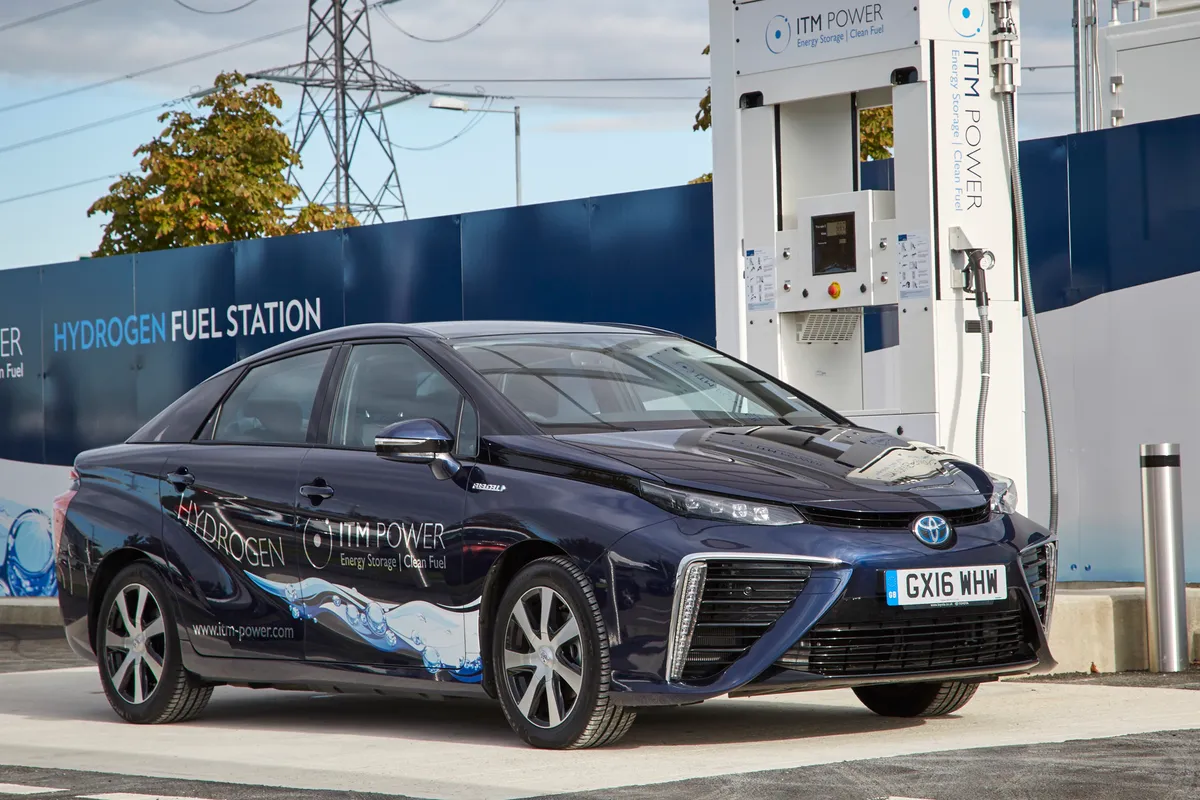
That is where the myth gets its fuel. A hydrogen fuel cell car is real, and its exhaust really is water. fueleconomy.gov explains that its fuel cell uses "hydrogen fuel and oxygen from the air to produce electricity," and the only product it names is water. The Alternative Fuels Data Center (AFDC) says such vehicles "emit only water vapor and warm air."
The key difference is where the hydrogen comes from. It is made at a plant and sold at a station, like any other fuel. It can be made by electrolysis, but the AFDC notes that hydrogen from electrolysis using typical grid electricity is the exception to the lower greenhouse gas emissions of other pathways. The energy is paid for at the plant, and the car carries the result.
These cars are also rare. fueleconomy.gov says "Hydrogen is only available at about 45 public stations, mostly in California," and that "only a few models are currently available for sale or lease." If you want to see how other eye-catching vehicles measure up against the facts, our checks on the real hoverboard and on air taxis follow the same method. More are in the Reality Check and Future Transport sections.
What really lowers your fuel bill?
Habits beat gadgets, and the numbers are official. fueleconomy.gov says aggressive driving, meaning speeding and rapid acceleration and braking, can lower gas mileage by roughly 15% to 30% at highway speeds and 10% to 40% in stop-and-go traffic. It also says an extra 100 pounds in the vehicle could reduce mileage by about 1%. Those are real changes you control for free, and they dwarf anything a jar of bubbles claims.
How can you check a "water-powered" claim in two minutes?
Ask three questions. Where does the energy come from, and is it shown going in? Has an independent lab measured the result, with the report in hand? Does the seller say EPA approved it? The last one is a red flag by itself, because EPA says it approves no such product.
Frequently asked questions
Can a car run on water?
No. Water is what remains after hydrogen burns, so splitting it back into fuel takes at least as much energy as you get out. The DOE describes electrolysis as using electricity to split water into hydrogen and oxygen, so the energy comes from the electricity, not from the water.
Do "water kits" or HHO devices improve gas mileage?
The FTC said in 2001 that EPA had tested more than 100 alleged gas-saving devices and found none that significantly improves gas mileage. EPA says today that it does not approve, certify, endorse or register any product in its evaluation program, and that any manufacturer claim to the contrary is false.
Can a water kit damage my engine?
The FTC warned in 2005 that some "gas-saving" devices may actually damage a car's engine or increase exhaust emissions. Ask for an independent test report before installing anything that changes how your engine runs.
Is a hydrogen car the same as a car that runs on water?
No. A hydrogen fuel cell car is fueled with hydrogen made at a plant. Only water vapor and warm air come out of the tailpipe, according to the AFDC, but the car is not fueled with water.
Why do some videos show better mileage after installing a kit?
The FTC notes that traffic, road and weather conditions and the car's condition all affect fuel use, and that few people can measure small changes in mileage. A before-and-after comparison by one driver is not a controlled test.
Could someone still invent a water-powered car?
Physics says water cannot be the energy source, so a real invention would need another source of energy and an independent test showing the result. New ways to make or store hydrogen are real research, but they still need an outside energy source.
Where do I report a fake fuel-saving ad?
Report it to the FTC at ReportFraud.ftc.gov. If you paid by credit card, ask your card issuer whether you can dispute the charge.
Sources
- EPA: Evaluation Program for Aftermarket Retrofit Devices (last updated May 14, 2026), read Oct. 25, 2026
- FTC: Announced Actions for April 20, 2001 (gas-saving devices and EPA testing), read Oct. 25, 2026
- FTC: Announced Action for May 19, 2005 (gas-saving device claims), read Oct. 25, 2026
- U.S. Department of Energy: Hydrogen Production: Electrolysis, read Oct. 25, 2026
- U.S. Department of Energy: Hydrogen Production Processes, read Oct. 25, 2026
- NIST Chemistry WebBook: Water (enthalpy of formation), read Oct. 25, 2026
- fueleconomy.gov: Where the Energy Goes: Gasoline Vehicles, read Oct. 25, 2026
- fueleconomy.gov: How Fuel Cells Work, read Oct. 25, 2026
- fueleconomy.gov: Hydrogen, read Oct. 25, 2026
- fueleconomy.gov: Gas Mileage Tips: Driving More Efficiently, read Oct. 25, 2026
- Alternative Fuels Data Center: Fuel Cell Electric Vehicle Emissions, read Oct. 25, 2026
- Lead Stories (Sarah Thompson, June 3, 2021): fact check on the 1996 Ohio ruling, read Oct. 25, 2026
- ReportFraud.ftc.gov, read Oct. 25, 2026

Founder and editor, Novaverum
I write Novaverum to separate the technology you can really buy from the demos, concepts and viral fakes, starting from what the companies, regulators and engineers publish. Every article lists its sources at the end.